A smartphone battery plays a crucial role in the performance and reliability of your…
Read More

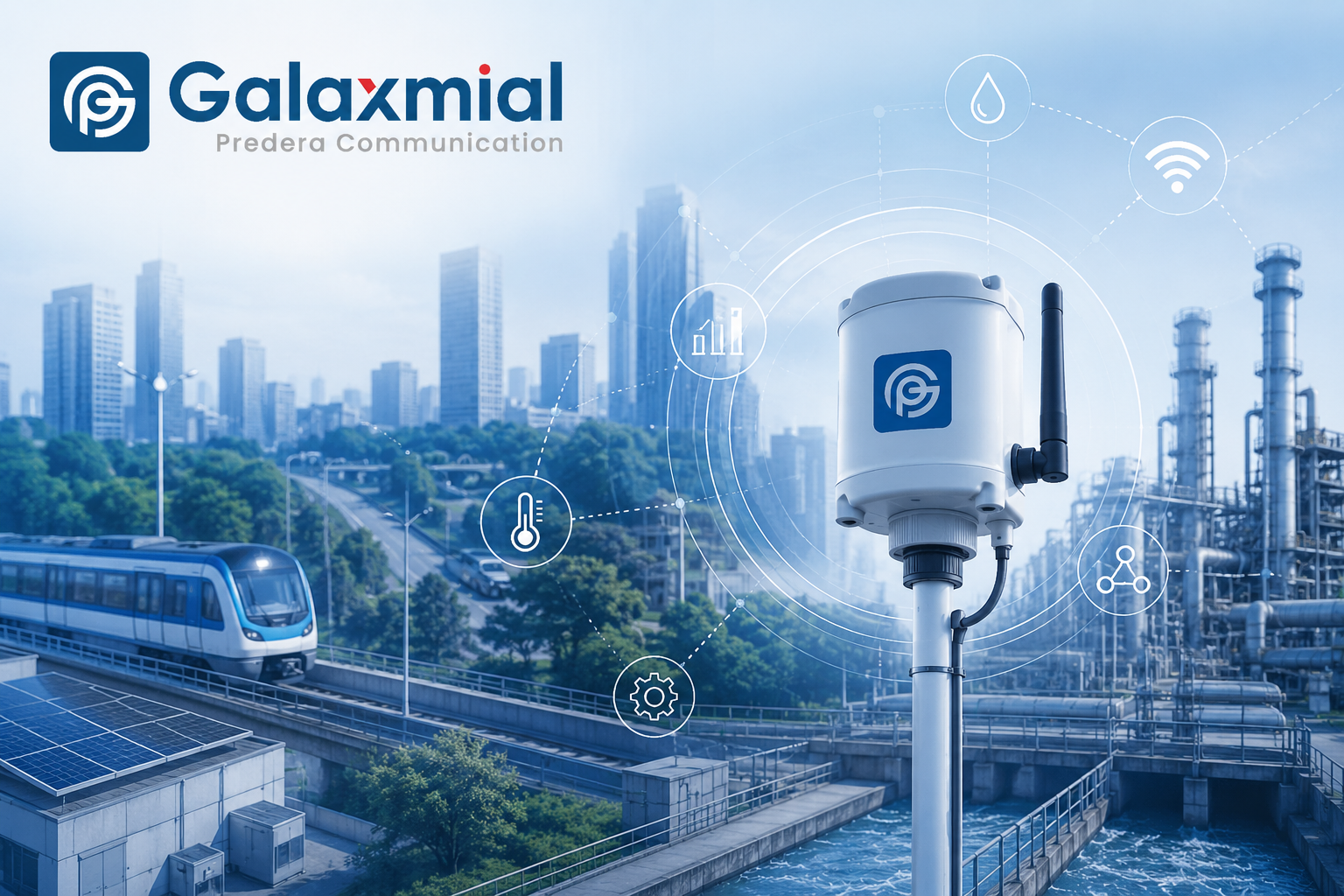
The demand for intelligent monitoring and automation is growing rapidly across India. Businesses, industries, municipalities, and smart city projects are now adopting advanced technologies to improve efficiency, reduce operational costs, and enable real-time monitoring. Among the most important technologies driving this transformation are smart sensors and LoRa automation systems.
From smart water management and industrial automation to smart parking and street lighting, IoT-enabled systems are becoming essential for modern infrastructure. Cities like Jaipur are increasingly investing in intelligent systems that support digital transformation and sustainable urban development.
This blog explains how smart sensors and LoRa automation systems work, their major applications, benefits, and why they are becoming critical for the future of automation in India.
What Are Smart Sensors?
Smart sensors are advanced electronic devices designed to collect environmental or operational data and transmit it digitally for monitoring and analysis.
Unlike traditional sensors, smart sensors are capable of:
- Real-time data collection
- Wireless communication
- Automated monitoring
- Intelligent decision-making support
These sensors can detect:
- Temperature
- Motion
- Water flow
- Pressure
- Gas leakage
- Light intensity
- Occupancy levels
Smart sensors are widely used in industrial automation, smart cities, utilities, healthcare, agriculture, and infrastructure monitoring systems.
What Is a LoRa Automation System?
A LoRa automation system uses LoRa (Long Range) wireless communication technology to connect sensors and devices over large distances while consuming very low power.
LoRa technology is specifically designed for:
- Long-range communication
- Low battery usage
- IoT device connectivity
- Remote monitoring systems
This makes it ideal for applications where devices need to transmit data continuously without requiring frequent maintenance.
A typical LoRa automation system includes:
- Smart sensors
- LoRa communication modules
- Wireless gateways
- Cloud-based monitoring platform
- Analytics dashboard
Companies like SEHAJ SYNERGY TECHNOLOGIES and Galaxmial Predera are actively working on advanced LoRa-based automation and smart monitoring solutions in India.
How Smart Sensors and LoRa Automation Systems Work
The working process of a smart sensor and LoRa automation system is highly efficient and scalable.
Step-by-Step Working Process
1. Data Collection Through Smart Sensors
Sensors continuously monitor environmental or operational conditions.
For example:
- Water flow sensors measure utility usage
- Motion sensors detect movement
- Temperature sensors monitor industrial equipment
2. Wireless Data Transmission
The collected data is transmitted wirelessly using LoRa communication technology.
LoRa enables:
- Long-range communication
- Stable connectivity
- Low-power operation
Even devices located several kilometers away can communicate reliably.
3. LoRa Gateway Receives Data
The LoRa gateway acts as a bridge between sensors and the cloud platform.
It gathers information from multiple devices and forwards it securely for analysis.
4. Cloud-Based Monitoring & Analytics
The data is stored and analyzed on a centralized cloud dashboard.
Administrators can:
- Monitor devices remotely
- Analyze usage patterns
- Generate reports
- Detect faults instantly
Galaxmial Predera integrates advanced Cloud & Integration Services for intelligent automation management.
Why LoRa Technology Is Ideal for Automation Systems
LoRa has become one of the most preferred technologies for IoT automation because of its efficiency and reliability.
Key Benefits of LoRa Communication
After understanding the working process, here are the reasons LoRa is widely used in automation systems:
- Long communication range
- Extremely low power consumption
- High scalability
- Reliable wireless connectivity
- Low deployment cost
- Suitable for smart cities and industrial infrastructure
In growing urban areas like Jaipur, LoRa technology provides scalable and cost-effective infrastructure automation.
Top Benefits of Smart Sensors and LoRa Automation Systems
1. Real-Time Monitoring
One of the biggest advantages of smart automation systems is real-time monitoring.
Users can track:
- Utility consumption
- Equipment performance
- Environmental conditions
- Operational efficiency
This improves decision-making and reduces downtime.
2. Reduced Operational Costs
Manual monitoring and maintenance are expensive and time-consuming.
LoRa automation systems reduce:
- Labor costs
- Human errors
- Energy waste
- Maintenance expenses
Organizations can operate more efficiently with fewer resources.
3. Long Battery Life
LoRa devices are optimized for low power usage.
Many wireless sensors can operate for several years on a single battery.
Galaxmial Predera also provides reliable Battery for Wireless Sensors solutions for long-term deployments.
4. Smart City Infrastructure Development
Smart sensors and LoRa systems play a major role in modern smart city projects.
Applications include:
- Smart Street Light Controller systems
- Smart Parking Sensor System
- Water management systems
- Waste management automation
Cities like Jaipur are increasingly adopting these technologies for sustainable infrastructure development.
5. Better Resource Management
Automation systems help organizations optimize the use of:
- Electricity
- Water
- Fuel
- Industrial resources
This leads to improved sustainability and lower operational waste.
6. Remote Access & Cloud Integration
Cloud integration enables centralized monitoring from any location.
Administrators can:
- Access real-time data
- Receive alerts instantly
- Control devices remotely
- Analyze performance trends
This improves operational transparency and efficiency.
7. Scalable Deployment
One of the biggest advantages of LoRa automation systems is scalability.
The system can easily expand from:
- Small industrial setups
- Residential projects
- Large municipal infrastructure
without major hardware replacement.
Applications of Smart Sensors and LoRa Automation Systems
The use of smart sensors and LoRa automation systems in India is expanding rapidly across multiple industries.
Smart City Applications
- Smart street lighting
- Smart parking systems
- Traffic management
- Environmental monitoring
Industrial Automation
Industries use smart sensors for:
- Equipment monitoring
- Predictive maintenance
- Energy optimization
- Production analytics
Utility Monitoring
LoRa-based smart metering systems help monitor:
- Water usage
- Gas consumption
- Energy distribution
Agriculture Automation
Farmers use smart sensors for:
- Soil moisture monitoring
- Irrigation automation
- Climate analysis
Healthcare & Infrastructure
Hospitals and infrastructure projects use automation systems for:
- Temperature monitoring
- Security management
- Asset tracking
Role of SEHAJ SYNERGY TECHNOLOGIES in Smart Automation
SEHAJ SYNERGY TECHNOLOGIES is actively contributing to the growth of IoT-based automation systems and smart infrastructure solutions in India.
Their solutions support:
- LoRa automation systems
- Smart sensor integration
- Smart metering technologies
- Wireless communication infrastructure
- Smart city projects
Businesses like Galaxmial Predera help distribute and integrate these advanced solutions for industries and infrastructure projects across Jaipur and other Indian cities.
Why Jaipur Is Adopting Smart Automation Technologies
Jaipur is rapidly evolving into a smart infrastructure-driven city.
The demand for smart sensors and LoRa automation systems in Jaipur is increasing because of:
- Urban expansion
- Smart city initiatives
- Rising energy costs
- Infrastructure modernization
- Need for real-time monitoring systems
LoRa-based systems provide reliable and scalable solutions for both public and private sectors.
Future of Smart Sensors and LoRa Automation in India
The future of automation systems in India is highly promising.
Upcoming trends include:
- AI-powered automation
- Predictive analytics
- Smart energy optimization
- Autonomous monitoring systems
- Advanced cloud integration
As IoT adoption grows, LoRa automation will become even more important for industries and smart city projects.
Cities like Jaipur, Delhi, Bangalore, and Mumbai are expected to lead this transformation.
Why Businesses Prefer LoRa-Based Automation Systems
Organizations are increasingly choosing LoRa systems because they provide:
- Lower infrastructure cost
- Long-term reliability
- Better scalability
- Faster deployment
- Reduced maintenance requirements
This makes LoRa ideal for modern automation and smart monitoring solutions.
Conclusion
Smart sensors and LoRa automation systems are transforming how industries, cities, and utilities operate in India. These technologies enable real-time monitoring, efficient resource management, reduced operational costs, and intelligent automation.
From smart street lighting and utility monitoring to industrial automation and smart parking systems, LoRa-based solutions are becoming essential for future-ready infrastructure.
Companies like SEHAJ SYNERGY TECHNOLOGIES and Galaxmial Predera are helping drive this technological transformation by providing advanced IoT-based monitoring and automation solutions across Jaipur and India.
As the country continues moving toward digital and smart infrastructure development, investing in smart sensor and LoRa automation technologies is no longer just an innovation—it is a necessity.
FAQs
1. What are smart sensors?
Smart sensors are intelligent devices that collect and transmit real-time data for monitoring and automation purposes.
2. What is a LoRa automation system?
A LoRa automation system uses long-range wireless communication technology to connect sensors and devices for remote monitoring and automation.
3. Why is LoRa technology used in IoT systems?
LoRa offers long communication range, low power consumption, and reliable connectivity, making it ideal for IoT applications.
4. What are the benefits of smart sensors and LoRa automation systems?
Benefits include real-time monitoring, lower operational costs, remote access, scalability, and improved efficiency.
5. Where are LoRa automation systems used?
They are used in smart cities, industries, utilities, agriculture, parking systems, and infrastructure monitoring.
6. Who provides LoRa automation solutions in India?
Companies like SEHAJ SYNERGY TECHNOLOGIES and Galaxmial Predera provide advanced LoRa automation and smart sensor solutions in India.

Battery Replacement Service

Battery Replacement Service
A smartphone that once opened apps instantly may gradually start responding more slowly,…
Read More

Android VS IPhone repair
Introduction A damaged screen, a battery that drains too quickly, a faulty charging port,…
Read More